Need garage door installation services in Lakewood?
- Simple steps for the first hour
- Independent providers near you
- Repair, new doors, and springs
- Estimate first, phone as backup
No obligation
Request an estimate in minutes
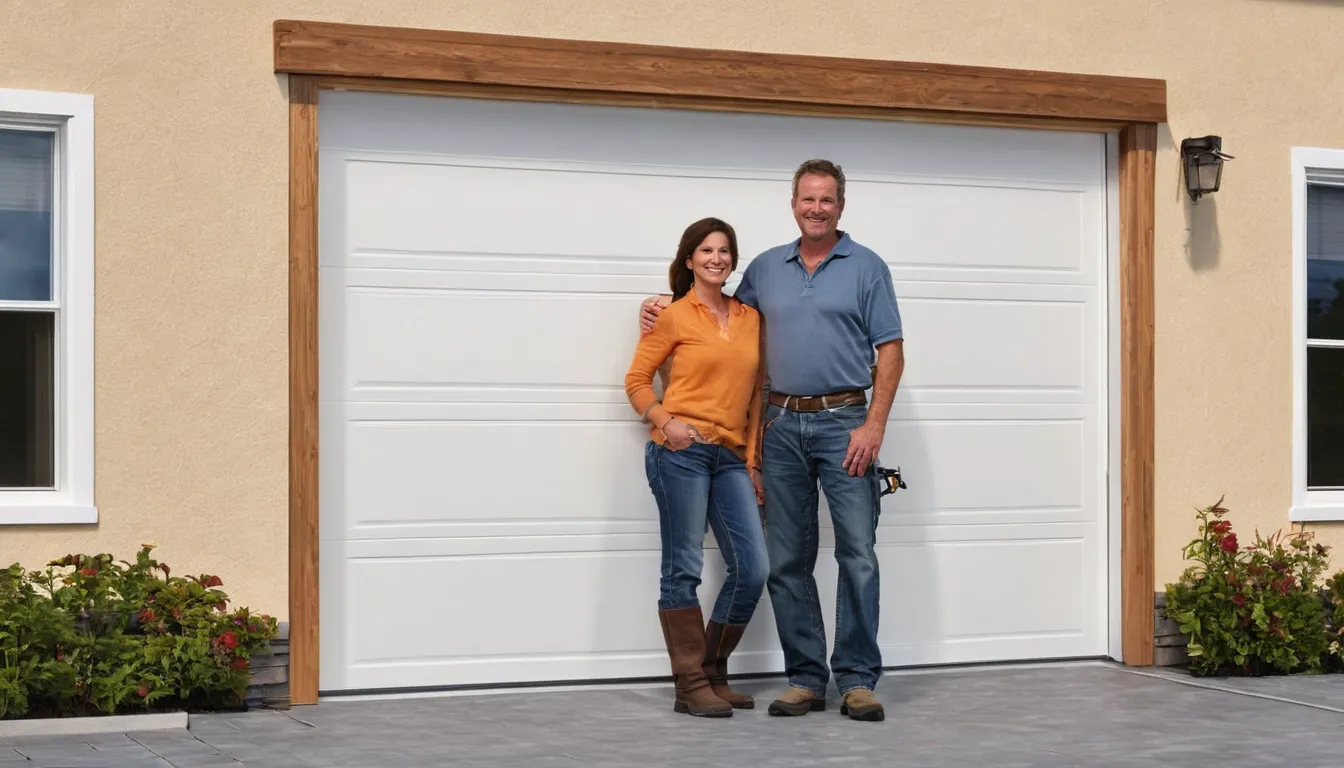
A broken or worn-out garage door is stressful. It may not close. It may not lock. It may just look tired. You are not alone, and you do not need to know the trade to get this right.
Friendaudience Garage Doors is a referral service. We do not install doors. We connect you with an independent provider in our network near Lakewood. We also explain the terms in plain words, so you can ask good questions. Start with a photo of your door. Then request an estimate. A provider can look at your needs, your budget, and your home, and give you a written quote before you agree to anything.
Start here if your door is stuck open, hanging crooked, or will not lock. Your garage may be open to weather and strangers. That is stressful. It is also fixable.
Keep people and pets away from the door. Do not try to lift a heavy door by hand. Do not touch the springs or cables. They hold a lot of force. Park the car outside if you can, and lock the inside entry door.
Take a few clear photos. Capture the whole door, the tracks on each side, and any dents or cracks. Photos help a provider judge the job. They also help if you file an insurance claim. Some policies may cover sudden damage, so check your policy.
If the door is open and cannot be secured, ask providers about emergency garage service. Many providers can respond quickly, but availability varies. If the door still works, you have time to compare and plan.
Not every bad door needs a swap. A repair is often enough. But some problems point to a full replacement.
Look for deep dents, cracked panels, rust, or rot. Look for gaps along the bottom. A bent panel can pull the whole door out of shape. Hail and heavy snow loads can cause this in cold, stormy regions.
Grinding, shaking, and loud bangs are warning signs. So is a door that sticks, drops fast, or slides unevenly. Repeated repairs add up. At some point, a new door costs less than another fix.
Most doors last many years, but sun and weather wear them down. Dry air and strong sun fade paint and dry out wood. An old, thin door also lets in more heat and cold.
A full install is more than hanging panels. A provider will measure the opening, remove the old door, and set the new one. Ask exactly what is in the quote.
The provider takes the old door down and hauls it away. Ask if this is part of the price. Some quotes list it as a separate line.
The provider builds the new door in the opening. This includes panels, hinges, rollers, tracks, springs, and weather seals. Springs are the coiled metal parts that help lift the door. Garage door spring repair is a different job, but new springs usually come with a new door.
The tracks are the metal rails the door rolls along. Good track alignment keeps the door quiet and smooth. A balanced door stays put when lifted halfway. Ask the provider to test both before they leave.
The right material depends on your weather, your budget, and your home.
Steel is strong and common. Insulated steel helps hold heat in cold months. Wood looks warm but needs regular care, especially under strong sun. Fiberglass and vinyl resist dents. Aluminum with glass lets in light.
If your garage is attached, insulation can help keep your home steadier through hot and cold swings. Ask about the door's wind rating, too. Spring winds and hail can be hard on thin panels.
The opener is the motor that lifts and lowers the door. Many people add a new garage door opener during a door install. A new door is often lighter or heavier than the old one, so the motor must match it. Ask the provider to check the opener's strength. Ask about battery backup for power cuts, and about safety sensors that stop the door if something is in the way.
You should feel at ease with whoever works on your home. Ask a few simple questions.
Providers in our network are independent. They set their own prices and schedules. Compare more than one quote if you have the time.
Get the quote, the model, the work list, and the warranty on paper. A clear written quote protects you and the provider.
Watch the provider test the door. Open and close it a few times. Check that it stops and reverses when it meets an object. Ask how to use the manual release, which lets you open the door by hand if the power fails.
Wipe tracks and seals a few times a year. Check the door balance each season. Keep hands away from the moving parts. Fast spring melt can leave water at the base, so wipe the bottom seal clean and dry.
If you live in a neighborhood with an HOA, check the rules first. Many have limits on color, panel style, and windows. Wood and stucco homes often look more polished with a door that matches the trim. Send the HOA a photo or sample before you order. Approval can take time, so ask early. A provider can help you pick styles that fit.
A provider checks your opening, your wall space, and your needs before quoting the job.
The old panels, tracks, and hardware come out and get hauled away safely.
Panels, springs, rollers, and seals go in and are tested for balance.
A matching opener is set up, then sensors and the reverse feature are tested.
Prices vary by size, material, and the work needed. These are typical U.S. ranges only. Ask each provider for a written quote that lists every part and every task.
| Item | Typical range | Notes |
|---|---|---|
| Single steel door, installed | $900 – $2,500 | Basic panels, standard size |
| Double steel door, installed | $1,200 – $4,000 | Wider openings cost more |
| Insulated door, installed | $1,500 – $5,000 | Better for cold or hot climates |
| Wood or custom door | $3,000 – $10,000 | Style, finish, and size drive price |
| New opener, installed | $300 – $900 | Battery backup adds to the price |
| Old door removal | $100 – $400 | Often included in the full quote |
Snap the whole door, the tracks, and any damage. Note the width and height if you can.
Tell us what is wrong and what you want. Your request goes to a local provider.
Check the door type, parts, labor, and warranty. Ask questions about anything unclear.
Pick a time that works. Ask what to clear from the garage before the provider arrives.
We explain trade terms in a few words so you know what you are buying.
We connect you with independent providers near you, who know local weather.
Request an estimate with no obligation, and take your time to compare.
We help you ask for details and get the plan in writing.
Many installs take a few hours to most of a day. Time depends on door size, material, and whether an opener or new tracks are included. The provider can give you a time estimate in the quote.
Not always. An older opener may work fine if it can lift the new door's weight. A provider can test it. If it is worn or lacks safety sensors, a new opener may be wise.
A small dent or worn part is often a simple repair. Replace the door if panels are cracked, rusted, or badly bent, or if repairs keep returning. A provider can look and advise.
Door stuck, noisy, or crooked? Send a short request and a local provider in our network will follow up with next steps and an estimate.
No obligation